The best way to compare used vehicles is to look at the same factors for every option: age, kilometres, condition, history, maintenance, features, expected ownership costs and price. Don’t simply choose the cheapest vehicle. Compare what you are getting for the money and which option fits your needs better.
Here is a simple way to compare your shortlist side by side.
1. Start With Vehicles That Meet the Same Need
Before comparing price or kilometres, make sure the vehicles can actually do what you need them to do.
- Passenger and cargo space
- Daily driving distance and fuel economy
- Winter or rural driving needs
- All-wheel drive or four-wheel drive
- Towing requirements
- Comfort and useful safety or technology features
You don’t need to compare identical models. Two compact SUVs can be reasonable alternatives if both meet the same needs. Comparing vehicles built for very different purposes is less useful just because their prices are similar.
UsedVehicleHub.ca lets Manitoba shoppers browse used vehicles available through the Birchwood dealership network. Once you have a few suitable options, compare the details that separate one used vehicle from another.
2. Compare Age and Kilometres Together
Model year and kilometres are useful starting points, but neither should decide the comparison on its own.
For example, one SUV might be a 2022 with 55,000 kilometres while another is a 2023 with 78,000 kilometres. The second is newer, but the first has travelled less.
Compare age and kilometres with maintenance history, overall condition, previous use, upcoming maintenance and price. A higher-kilometre vehicle that has been properly maintained may compare favourably with a lower-kilometre vehicle that has limited service information or needs repairs.
Treat age and kilometres as important context, not automatic winners.
3. Compare the Condition of Each Vehicle
Two vehicles that look similar in a listing can be in very different condition. Use the same basic check for every vehicle on your shortlist.
Exterior and Interior
Look for dents, scratches, rust, windshield damage, uneven body panels, paint differences and signs of previous repairs. Inside, check the seats, carpets, dashboard, controls, displays, heating and air conditioning, windows and cargo area.
Normal wear is expected. The goal is to understand whether one vehicle has more wear or upcoming expense than another.
Tires, Brakes and Wear Items
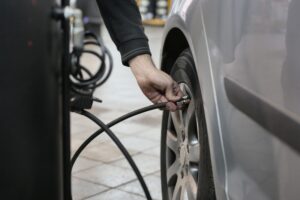
Compare tire tread and wear, whether replacement may be needed soon and whether suitable winter tires are included. Consider the brakes and other obvious wear items as well.
A vehicle priced $1,000 lower may not save you $1,000 if it immediately needs tires, brakes or maintenance.
4. Compare Vehicle History and Maintenance
Next, compare what you know about each vehicle’s past. Review available information for reported collisions or damage, vehicle status, service history, maintenance records and previous use or ownership information when available.
An accident in a vehicle’s history does not automatically mean it should be rejected. Understand what happened, how significant the damage was and what repairs were completed.
Maintenance records can also separate two otherwise similar vehicles. If one has clear records of regular service and the other has little information available, include that difference in your comparison. Also note any scheduled maintenance that may be due soon.
5. Compare the Features You Will Actually Use
Two vehicles with the same model name can have different trims and equipment. Focus on features that matter to your driving.
- Heated seats or heated steering wheel
- Remote start
- All-wheel drive or four-wheel drive
- Driver-assistance features
- Backup camera
- Smartphone connectivity
- Towing or cargo equipment
Separate features into must-have, nice-to-have, and not important. A longer feature list does not automatically make a vehicle better value if you will not use the extra equipment.
Confirm that important features work properly rather than relying only on the listing.
6. Consider Costs That May Come After the Purchase
The advertised price is only part of what a vehicle will cost to own. Compare reasonable ongoing or near-term expenses such as fuel or electricity, insurance, routine maintenance, tires, expected repairs and financing costs.
You do not need to predict every future repair. Focus on differences you can identify now.
For example, a vehicle that costs $1,500 less but soon needs tires and scheduled maintenance may not provide the savings the advertised prices suggest.
7. Compare Price After You Understand the Vehicles
Price becomes more useful after you understand what each vehicle offers.
Suppose Vehicle A costs $24,000 and has 85,000 kilometres, a basic trim, worn tires and limited maintenance records. Vehicle B costs $25,500, has 68,000 kilometres, newer tires, useful additional features and more complete maintenance information.
Vehicle A is cheaper, but that does not automatically make it better value. Ask: What am I getting for the difference in price?
If the differences do not matter to you, the lower-priced vehicle may make sense. If condition, history, kilometres, useful features or upcoming costs justify the difference for your needs, paying more may make sense.
Use a Side-by-Side Used Vehicle Comparison
Once you narrow your search to two or three vehicles, record the same information for each one.
Basic Information
- Year, make and model
- Trim
- Asking price
- Kilometres
Condition and History
- Exterior and interior condition
- Tires, brakes and maintenance due soon
- Reported accidents or damage
- Vehicle status
- Available service and maintenance records
Features and Ownership Costs
- Must-have and useful features
- Fuel or electricity
- Insurance
- Expected maintenance or immediate repairs
- Financing costs, if applicable
Using the same categories for every vehicle keeps the comparison consistent and makes meaningful differences easier to spot.
How Should a Manitoba COI Affect Your Comparison?
A valid Certificate of Inspection is important when buying a used vehicle in Manitoba, but it is not a complete measure of vehicle condition.
MPI says a COI confirms that the vehicle met Manitoba’s basic standards at the time of inspection. It covers components and systems such as brakes, suspension, tires, lights, exhaust, seat belts and steering.
However, a COI does not include a detailed inspection of the engine or transmission and is not a guarantee of overall vehicle quality. A COI can also be valid for up to one year for an ownership transfer, so the vehicle’s condition may have changed since the inspection.
Two vehicles with valid COIs can therefore still differ significantly. Consider the COI alongside current condition, history, maintenance information and, where appropriate, a more detailed mechanical inspection.
Frequently Asked Questions About Comparing Used Vehicles
Which matters more: age or kilometres on a used vehicle?
Neither automatically matters more. Compare age and kilometres together with condition, maintenance history, previous use and price. A newer vehicle with more kilometres is not automatically better or worse than an older vehicle with fewer kilometres.
Is the cheapest used vehicle usually the best value?
Not necessarily. A lower-priced vehicle may need tires, brakes, repairs or maintenance sooner, or it may have higher kilometres or fewer useful features. Value depends on what you receive for the price, not price alone.
What are the most important things to compare on used vehicles?
Compare age, kilometres, condition, vehicle history, maintenance, useful features and price. Then consider identifiable ownership costs such as fuel, insurance, maintenance and immediate repairs.
How do I compare two used vehicles with different prices?
Identify what explains the price difference. Compare kilometres, condition, history, trim, equipment, maintenance and upcoming costs. Then decide whether those differences are worth the additional price for your needs.
Does a valid Manitoba COI mean a used vehicle is in good condition?
A valid COI confirms that the vehicle met Manitoba’s basic standards at the time of inspection. MPI states that it is not a detailed engine or transmission inspection and is not a guarantee of overall vehicle quality.
Compare Used Vehicles on UsedVehicleHub.ca
UsedVehicleHub.ca gives Manitoba shoppers access to used vehicles available through the Birchwood dealership network.
Once you have narrowed your search, use the same comparison process for each option: fit, age and kilometres, condition, history, useful features, ownership costs and price.
The strongest choice is not necessarily the newest vehicle, the one with the fewest kilometres or the lowest price. Look for the combination that makes the most sense for your needs and budget.