Modern vehicles are packed with safety features designed to help drivers stay aware, avoid potential hazards, and feel more confident behind the wheel. While many of these technologies are now common, understanding what they do—and how they support real-world driving—can help drivers make more informed decisions when shopping for or maintaining a vehicle.
From airbags and seat belts to lane departure warnings and cross traffic alerts. At Birchwood, we believe safety starts with knowledge. Here’s a simple breakdown of today’s most common vehicle safety features and how they work in everyday driving situations.
To learn more about vehicle safety features or explore vehicles equipped with the latest technology, please visit birchwood.ca!
Active vs. Passive Safety: What’s the Difference?
Vehicle safety features generally fall into two categories: passive and active safety.
- Passive Safety Features help protect occupants during a collision.
- Active Safety Features are designed to help prevent accidents before they happen.
Most modern vehicles include a combination of both, working together to improve overall safety.
Passive Safety Features: Protection When It Matters Most
Passive safety features activate during or after an impact to help reduce injury.
- Airbags: Front, side, curtain, and knee airbags deploy in a collision to cushion occupants and reduce impact forces.
- Seat Belts and Pretensioners: Secure passengers and tighten automatically during a collision to limit movement.
- Crumple Zones: Designed areas of the vehicle that absorb and redirect crash energy away from the cabin.
- Reinforced Safety Cage: Strengthens the vehicle structure to protect occupants in serious impacts.
These features work quietly in the background, ready to protect occupants if an accident occurs.
Active Safety Features: Helping Prevent Accidents
Active safety systems monitor the road, surroundings, and driver inputs to help reduce the risk of a collision.
- Automatic Emergency Braking (AEB): Detects potential collisions and applies braking if the driver does not respond in time.
- Forward Collision Warning: Alerts drivers when they are approaching a vehicle too quickly.
- Lane Departure Warning and Lane Keeping Assist: Warns drivers if the vehicle drifts out of its lane and may gently steer it back.
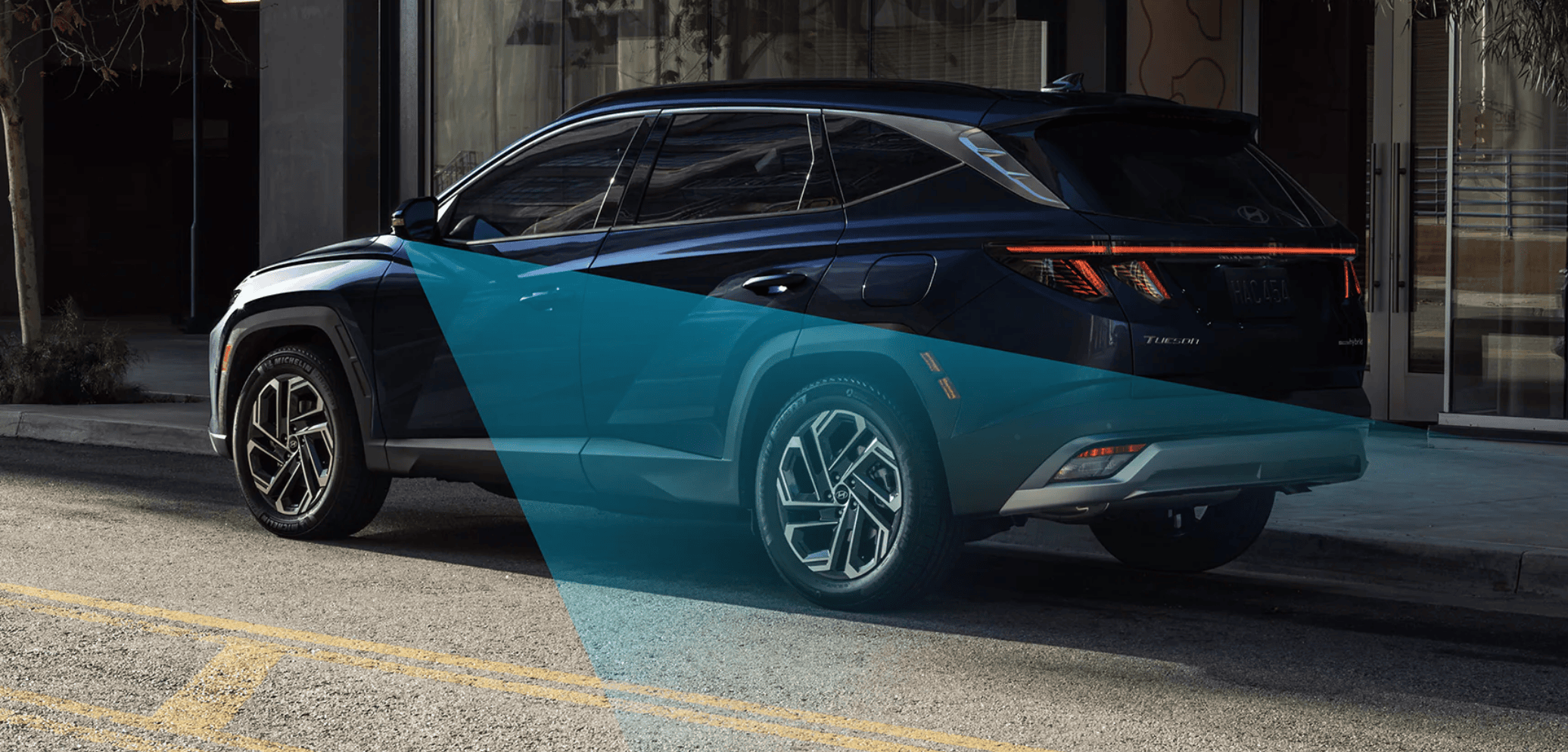
- Blind Spot Monitoring: Alerts drivers to vehicles they may not see when changing lanes.
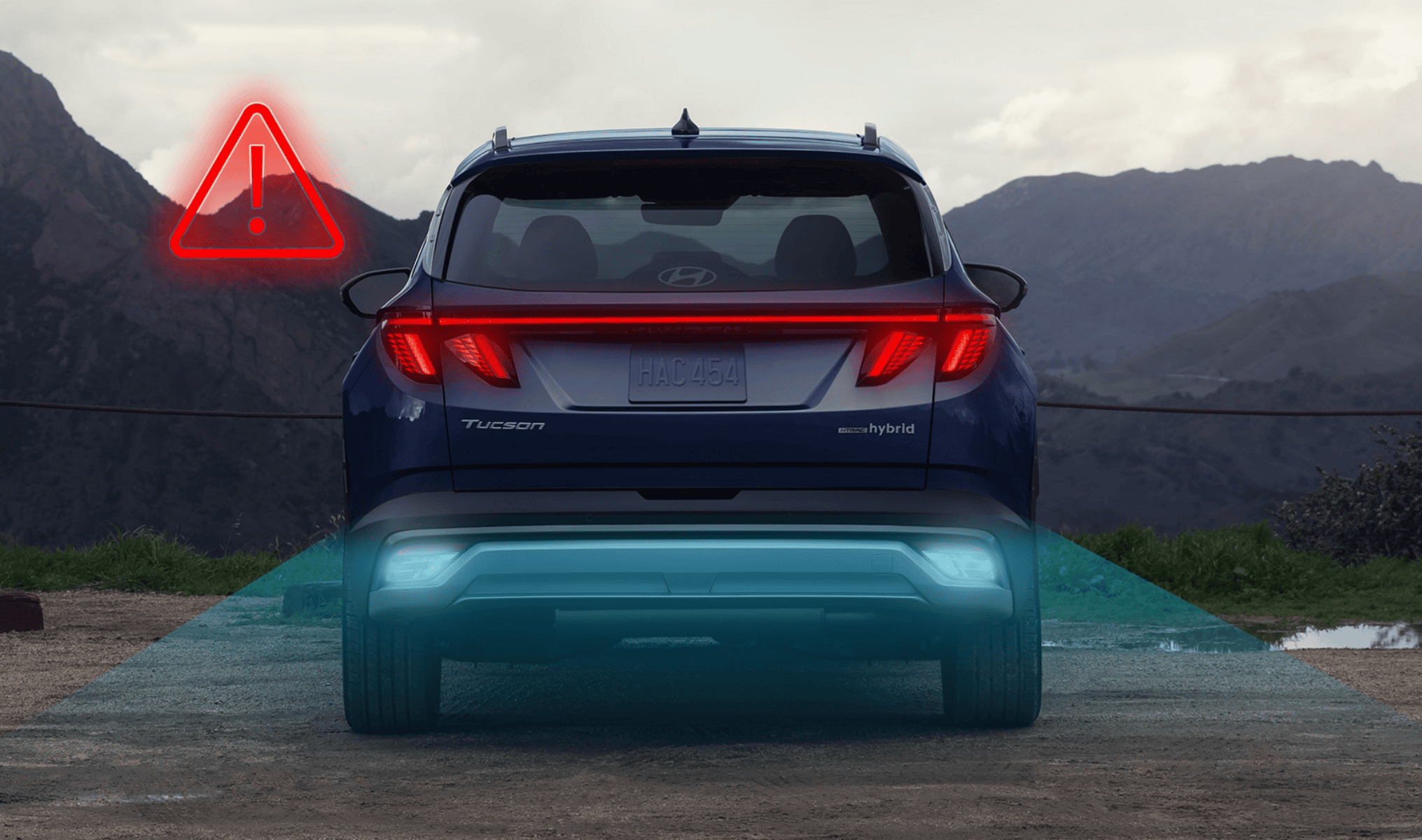
- Rear Cross Traffic Alert: Warns of approaching vehicles when reversing out of parking spaces.
These systems are especially helpful in busy traffic, parking lots, and highway driving.
Driver Assistance Features That Support Daily Driving
Some safety technologies are designed to reduce fatigue and support long or repetitive drives.
- Adaptive Cruise Control: Maintains a set speed and distance from vehicles ahead.
- Traffic Jam Assist: Helps manage stop-and-go traffic by assisting with braking and steering at low speeds.
- Driver Attention Monitoring: Detects signs of fatigue or distraction and prompts drivers to take a break.
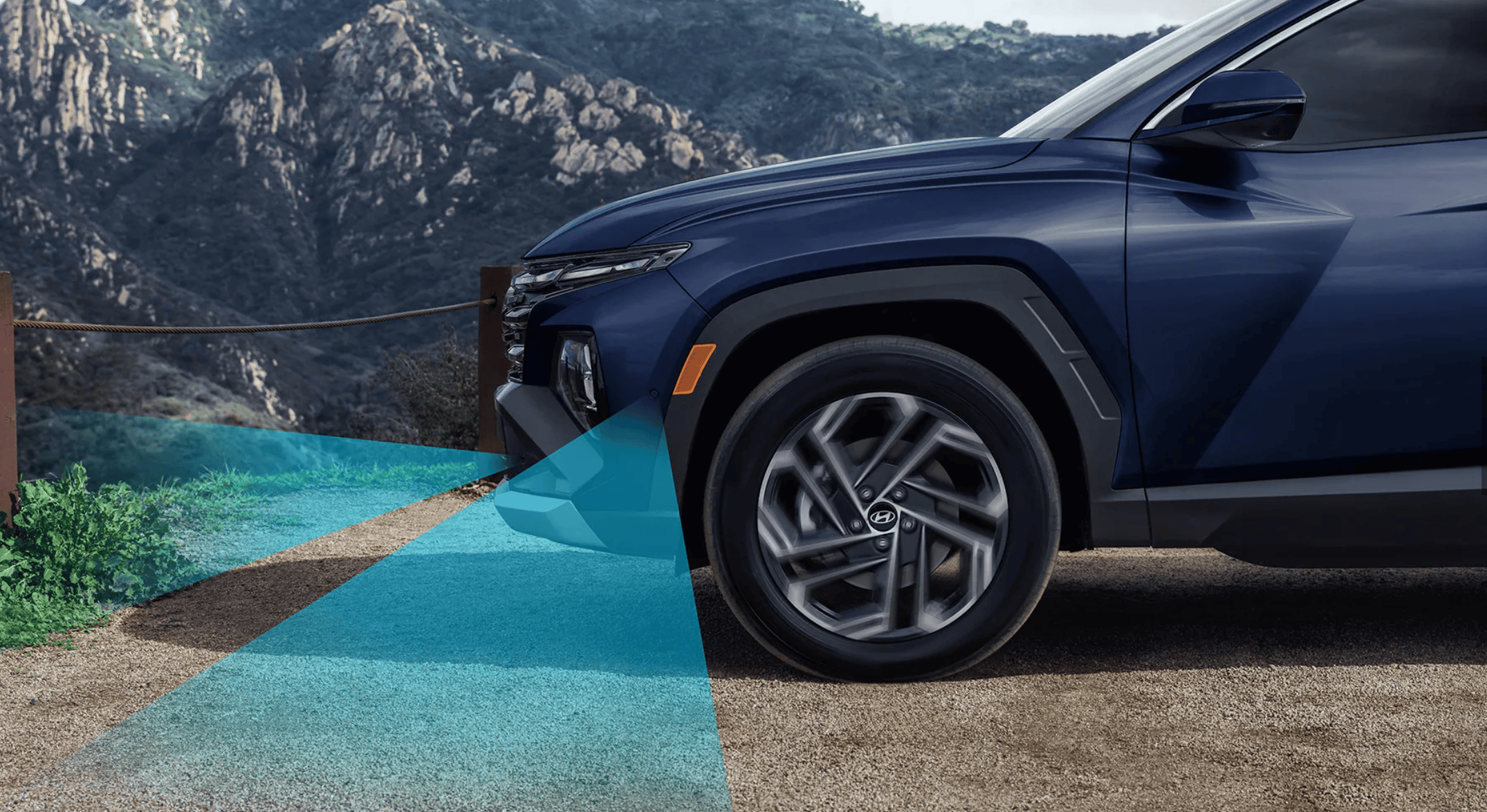
- Parking Sensors and Cameras: Improve visibility when parking or maneuvering in tight spaces.
While these features don’t replace driver responsibility, they add an extra layer of support.
Winter Driving Safety Features That Matter in Manitoba
For Manitoba drivers, certain safety features are especially valuable during winter conditions.
- All-Wheel Drive or Traction Control Systems: Help maintain grip on snow and ice.
- Electronic Stability Control: Reduces the risk of skidding during sudden manoeuvres.
- Heated Mirrors and Windshield Areas: Improve visibility in cold weather.
- Hill Start Assist: Prevents rollback on icy inclines.
When combined with winter tires and proper maintenance, these features help improve confidence on winter roads.
Understanding the Limitations of Safety Technology
While safety features are highly advanced, it’s important to understand their limits.
- Systems rely on sensors that can be affected by weather, dirt, or snow.
- Driver attention is still required at all times.
- Not all features are standard on every trim level.
Knowing what your vehicle includes—and how to use it—helps ensure these systems work as intended.
How Birchwood Helps Drivers Understand Vehicle Safety
Birchwood teams help drivers understand the safety features available on different vehicles and trims, including how they function and what to expect in daily driving.
Whether you’re shopping for a new vehicle, considering a used one, or learning more about the technology in your current vehicle, our goal is to make safety features easy to understand and practical to use.
Conclusion: Safety Through Knowledge and Confidence
Understanding safety features helps drivers make better decisions, drive with more confidence, and get the most value from their vehicle. From advanced driver assistance systems to proven passive safety technologies, today’s vehicles are designed to support safer driving in more situations than ever before.
To learn more about vehicle safety features or explore vehicles equipped with the latest technology, please visit birchwood.ca!